Quick answer: T20, ODI, and Test cricket are three main formats of international cricket, each defined by its match duration and rules. T20 matches last 20 overs per side, ODIs last 50 overs per side, and Tests can last up to five days with unlimited overs. These formats differ in pace, strategy, and fan experience.
Cricket fans worldwide enjoy three major formats: Test matches, One Day Internationals (ODIs), and Twenty20 (T20) games. Each format has its own rules, style, and traditions, shaping the way the game is played and watched.
Whether you’re a cricket newcomer or a seasoned follower, understanding the differences between T20, ODI, and Test cricket can deepen your appreciation for the sport. Each format brings its own rhythm, challenges, and excitement to players and spectators alike.
Key takeaways
- Test cricket is the longest and most traditional format, played over five days.
- ODI matches are limited to 50 overs per side and usually completed in a single day.
- T20 is the shortest format, with 20 overs per side, known for fast-paced action.
- Each format requires different skills, strategies, and approaches from teams and players.
- All three formats are popular in India and globally, each attracting its own fan base.
What is Test cricket and why is it considered the ‘purest’ form?
Test cricket is the longest-established and most traditional format of the sport, played over five days with up to two innings per team. It is often referred to as the ‘purest’ form of cricket because it rigorously examines every aspect of a player’s abilities—technical skills, mental fortitude, physical endurance, and adaptability. Unlike limited-overs formats, there is no fixed cap on the number of overs, allowing for a wide range of strategies and the possibility of dramatic shifts in momentum over extended periods.
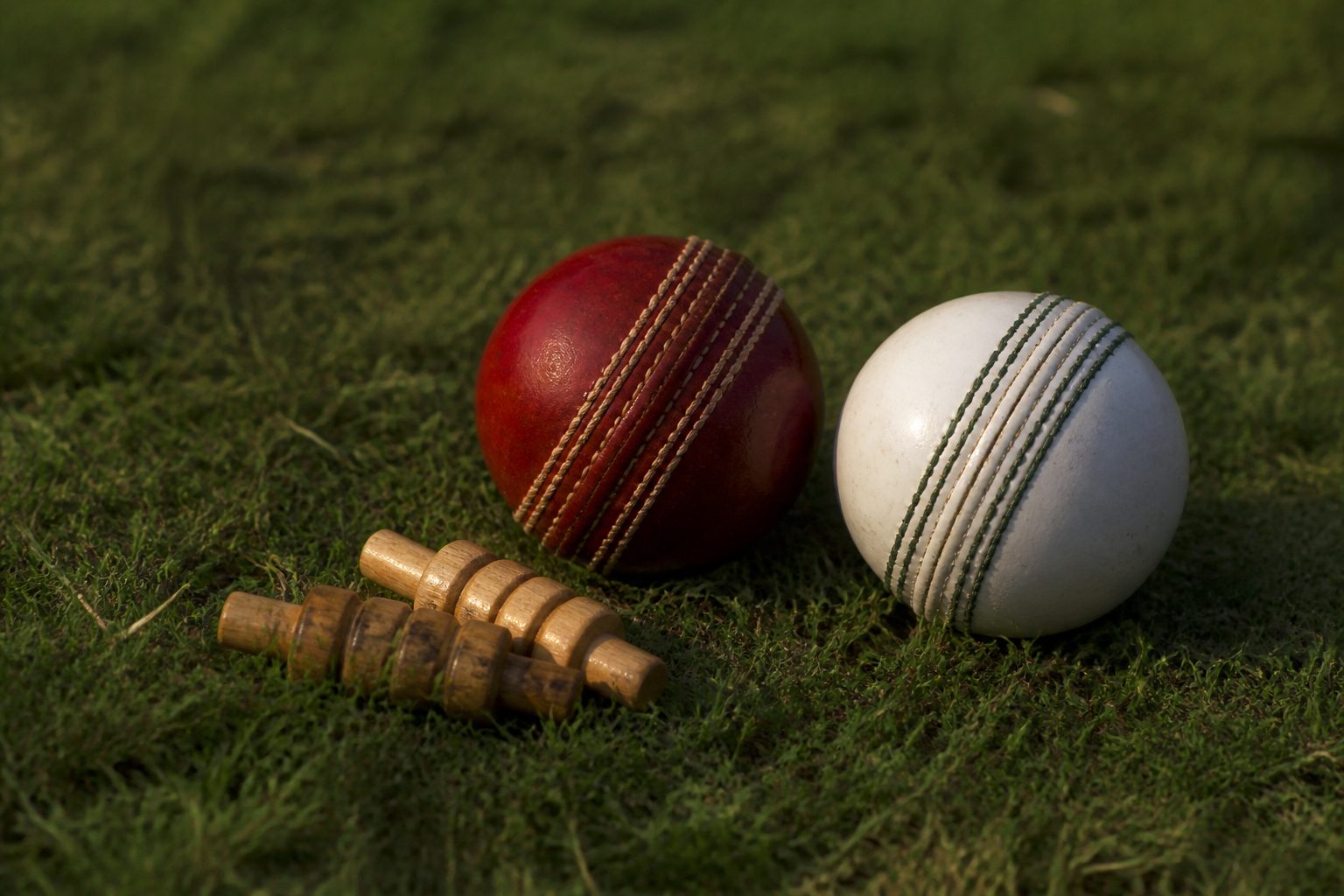
Test matches are played with red balls, and players wear white clothing, emphasizing tradition and continuity. Games are usually scheduled during daylight hours, with breaks for lunch and tea, and can end in a win, loss, draw, or, less commonly, a tie. The possibility of a draw, unique to this format, means that teams must manage time and resources carefully, balancing the need to score runs with the imperative to take wickets.
Test cricket is renowned for its storied rivalries and iconic series, such as the Ashes between England and Australia or the fiercely contested matches between India and Australia. These encounters have produced some of the sport’s most memorable moments, with players’ reputations often defined by their performances in the longest format. The extended nature of Tests rewards careful planning, resilience in the face of adversity, and the ability to adapt to changing pitch and weather conditions. For many players and fans, these qualities make Test cricket the ultimate examination of skill and character in the game.
How does ODI cricket differ from Test matches?
ODI cricket, or One Day Internationals, differs from Test matches primarily in its limited-overs structure and faster pace. While Test matches can last up to five days with no set limit on the number of overs per innings, ODIs are completed within a single day, with each team restricted to 50 overs to score as many runs as possible. This shift to a fixed-overs format was introduced to make cricket more accessible and appealing to spectators and broadcasters, ensuring a definitive result within a set timeframe.
In ODIs, teams wear colored uniforms and use a white ball, which improves visibility for both players and television audiences, especially under floodlights during day-night matches. The format incorporates powerplays—specific periods with fielding restrictions designed to encourage aggressive batting and higher scoring rates. Bowlers are typically limited to a maximum of 10 overs each, requiring teams to manage their bowling resources carefully and often favoring all-rounders who can contribute in both batting and bowling.
ODI cricket balances the need for steady accumulation of runs with bursts of attacking play, leading to strategic decisions about when to accelerate scoring and how to pace an innings. The ICC Cricket World Cup, played in the ODI format, has become one of the sport’s most prestigious tournaments, drawing huge international audiences and producing iconic moments. The format’s blend of tradition and innovation makes it a bridge between the endurance of Test cricket and the excitement of T20s, challenging teams to adapt quickly and perform under pressure.
What makes T20 cricket unique?
T20 cricket stands out as the most condensed and fast-paced format in the sport, fundamentally changing how cricket is played and consumed. Each team is limited to just 20 overs, resulting in matches that last around three hours—much shorter than traditional formats. This brevity makes T20 games accessible to a wider audience, fitting conveniently into an evening or prime-time television slot, and has contributed to a surge in the sport’s global popularity.
Introduced in the early 2000s, T20 cricket quickly gained traction for its emphasis on entertainment, with a focus on big hitting, rapid scoring, and innovative play. Batters frequently employ unconventional shots—like the scoop, reverse sweep, and ramp—to maximize runs, while bowlers develop creative variations such as slower balls and yorkers to outwit aggressive opponents. The format encourages risk-taking, resulting in frequent sixes, high run chases, and close finishes, which keep spectators engaged until the last ball.
Franchise-based leagues, most notably the Indian Premier League (IPL), have amplified T20’s appeal by bringing together international stars and local talent in high-profile tournaments. These leagues combine sport with entertainment, featuring music, cheerleaders, and celebrity involvement, and have become cultural events in their own right. T20 cricket’s unique blend of athleticism, strategy, and showmanship has not only attracted new fans but also influenced how players approach the game, with specialized skills and roles emerging specifically for this format.
How do strategies and skills differ between formats?
Each cricket format requires distinct strategies and skill sets, reflecting differences in match duration, scoring pace, and tactical demands. In Test cricket, patience and technical proficiency are paramount. Batters must be able to defend for long periods, adapt to changing pitch conditions, and build innings over several hours or even days. Bowlers focus on exploiting subtle variations in swing, seam, and spin, often setting traps over extended spells. Field placements are flexible, allowing captains to experiment and adjust as the game evolves. Mental resilience and the ability to handle pressure are essential, as momentum can shift slowly but decisively.
ODIs demand a more balanced approach. Batters must combine the ability to play long innings with the skill to accelerate scoring when needed, often rotating the strike and running hard between wickets to keep the scoreboard ticking. Bowlers must manage their limited overs wisely, using variations to contain runs and take wickets at key moments. Fielding is dynamic, with specific powerplay periods dictating field placements and encouraging aggressive play early in the innings. Teams often plan their innings in phases, building a foundation before launching an all-out assault in the final overs.
T20 cricket, by contrast, is all about maximizing impact in a short time. Batters prioritize power-hitting and innovative shot-making to score quickly, often targeting boundaries from the outset. Bowlers use a wide range of slower balls, yorkers, and deceptive deliveries to restrict runs and induce mistakes. Fielding is athletic and aggressive, with every run saved or opportunity taken potentially deciding the outcome. Team selection often favors specialists—players who excel at rapid scoring or delivering tight overs under pressure—making adaptability and quick decision-making crucial in this high-octane environment.
Which format is most popular in India?
T20 cricket is currently the most popular format in India, thanks to the Indian Premier League (IPL) and the format’s short, exciting matches. However, ODIs have a strong following due to the Cricket World Cup, and Test cricket still commands respect for its tradition and depth. Indian fans appreciate all three formats, supporting the national team across Test series, ODI tournaments, and T20 leagues. Each format has its own festivals, such as IPL for T20, World Cup for ODIs, and historic Test series for purists.
How are matches structured in each format?
Each cricket format—Test, ODI, and T20—features a distinct match structure that shapes the way the game is played and experienced. Test matches are the longest, traditionally lasting up to five days, with each team allowed two innings to bat and bowl if time allows. There is no fixed limit on the number of overs per innings in Tests, so matches can ebb and flow dramatically, allowing for comebacks and extended tactical battles. Play is divided into three sessions per day, with breaks for lunch and tea, and matches can end in a win, loss, draw, or tie depending on whether both innings are completed.
ODI (One Day International) matches are designed to be completed within a single day, with each team allotted a maximum of 50 overs to score as many runs as possible. Each over consists of six legal deliveries, and the team with the most runs at the end of both innings wins. ODIs have specific fielding restrictions, such as powerplays, which limit the number of fielders outside the inner circle during certain periods, encouraging aggressive batting early on. Bowlers also face individual limits, typically being allowed to bowl a maximum of 10 overs each.
T20 (Twenty20) cricket is the shortest mainstream format, with each team facing just 20 overs. Matches usually last about three hours, making them suitable for evening entertainment and television broadcasts. T20 games have even stricter powerplay rules and bowling limits, with each bowler allowed a maximum of four overs. These condensed matches demand rapid decision-making, aggressive tactics, and constant adaptation. The structural differences in overs, fielding restrictions, and scheduling across formats influence everything from player selection to in-game strategy, making each format a unique cricketing experience.
How do player records and statistics compare across formats?
Records and statistics in cricket are format-specific, reflecting the unique challenges of each version. Test records honor longevity, technique, and consistency, with milestones like 10,000 runs or 500 wickets highly prized. ODI stats highlight all-rounders and players who excel in both batting and bowling over shorter periods, with achievements like fastest centuries or most wickets in a World Cup. T20 records celebrate explosive performances, such as most sixes, fastest fifties, and best economy rates. Comparing players across formats involves considering context, opposition, and match situations.
Why do players sometimes specialize in one format?
Many cricketers now specialize in one or two formats due to the distinct physical and mental demands. Test cricket requires stamina, patience, and technical mastery, favoring players who can endure long periods. T20 and ODI formats emphasize athleticism, quick decision-making, and aggressive play, suiting those with explosive skills. Specialization allows players to focus on training, fitness, and tactics suited to their preferred format, prolonging careers and maximizing performance. Some, like Virat Kohli or Ben Stokes, have excelled across all formats, but such versatility is rare.
| Format | Overs per Side | Match Duration | Ball Color | Kit Color | Key Tournaments |
|---|---|---|---|---|---|
| Test | Unlimited (2 innings each) | Up to 5 days | Red | White | The Ashes, Border-Gavaskar Trophy |
| ODI | 50 | 1 day (6-8 hours) | White | Colored | ICC Cricket World Cup, Asia Cup |
| T20 | 20 | ~3 hours | White | Colored | IPL, ICC T20 World Cup |
Frequently asked questions
Which format is best for beginners to watch?
T20 cricket is often considered the best starting point for beginners due to its short duration and high entertainment value. The fast-paced action, clear rules, and frequent boundaries make it easy to follow, while leagues like the IPL add extra excitement.
Can a match end in a draw in all formats?
Only Test cricket can end in a draw, as matches are played over five days and may not result in a winner if time runs out. ODIs and T20s have tie-breaker mechanisms like Super Overs to ensure a result when scores are level.
Why do some players wear white and others colored kits?
Players wear white kits in Test matches, reflecting the format’s tradition and use of a red ball. In ODIs and T20s, teams wear colored kits and use a white ball, enhancing visibility under lights and making matches more television-friendly.
How do fielding restrictions differ between formats?
Each format has specific fielding restrictions, known as powerplays. In T20s and ODIs, these rules limit the number of fielders outside the inner circle during certain overs, encouraging aggressive batting. Test cricket has no such restrictions, allowing flexible field placements.
What is the role of the toss in each format?
The toss determines which team bats or bowls first and is crucial in all formats. In Tests, pitch conditions can change drastically over five days. In ODIs and T20s, dew and lighting can influence strategy, making the toss an important tactical decision.
Do all countries play every format equally?
Not all cricket-playing nations compete equally in every format. Some countries focus more on limited-overs cricket, while others emphasize Test matches. The ICC sets eligibility and schedules, but factors like resources, fan interest, and team strengths influence participation.
The bottom line
T20, ODI, and Test cricket each bring their own excitement, strategy, and tradition. Understanding their differences helps fans enjoy the full spectrum of cricket, from the drama of a five-day Test to the thrill of a last-ball T20 finish.